A practice for the life you’re living
There is no one way to arrive.
Tell us what brings you to Zen and we’ll show you the clearest way to begin.
What you’ll find here
Authentic Zen practice, made approachable.
Zen is learned through practice—not by trying to understand everything before you begin. We give you a clear foundation, patient instruction, and room for your own questions.
Arrive as you are
You do not need prior meditation experience, Buddhist knowledge, special clothing, or perfect flexibility.
Learn a steady form
Begin with practical instruction in posture, breath, zazen, kinhin, chanting, and dojo etiquette.
Practice with support
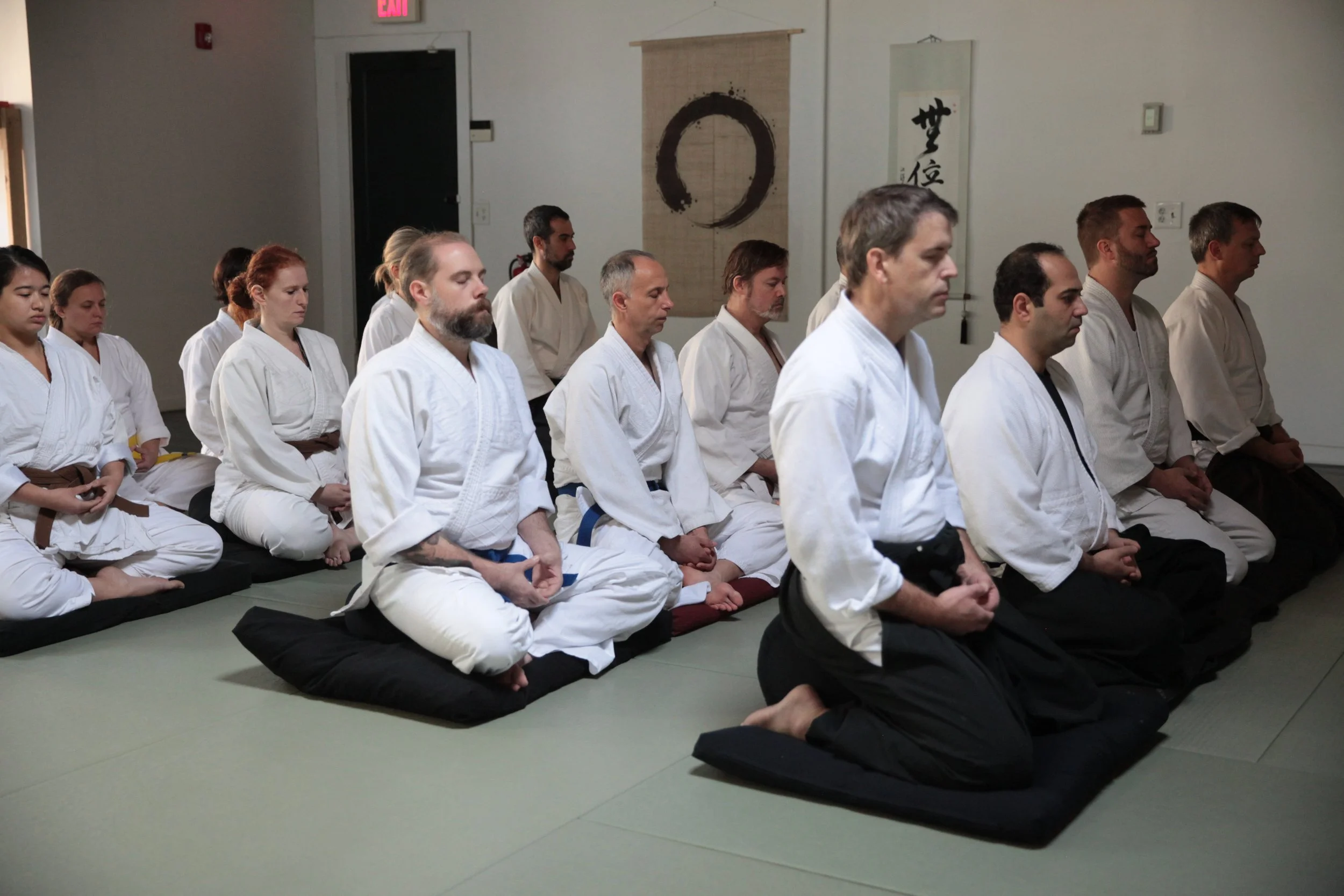
Continue with the sangha through regular sittings, Dharma talks, personal guidance, classes, and retreats.
A practice with depth
More than a meditation class.
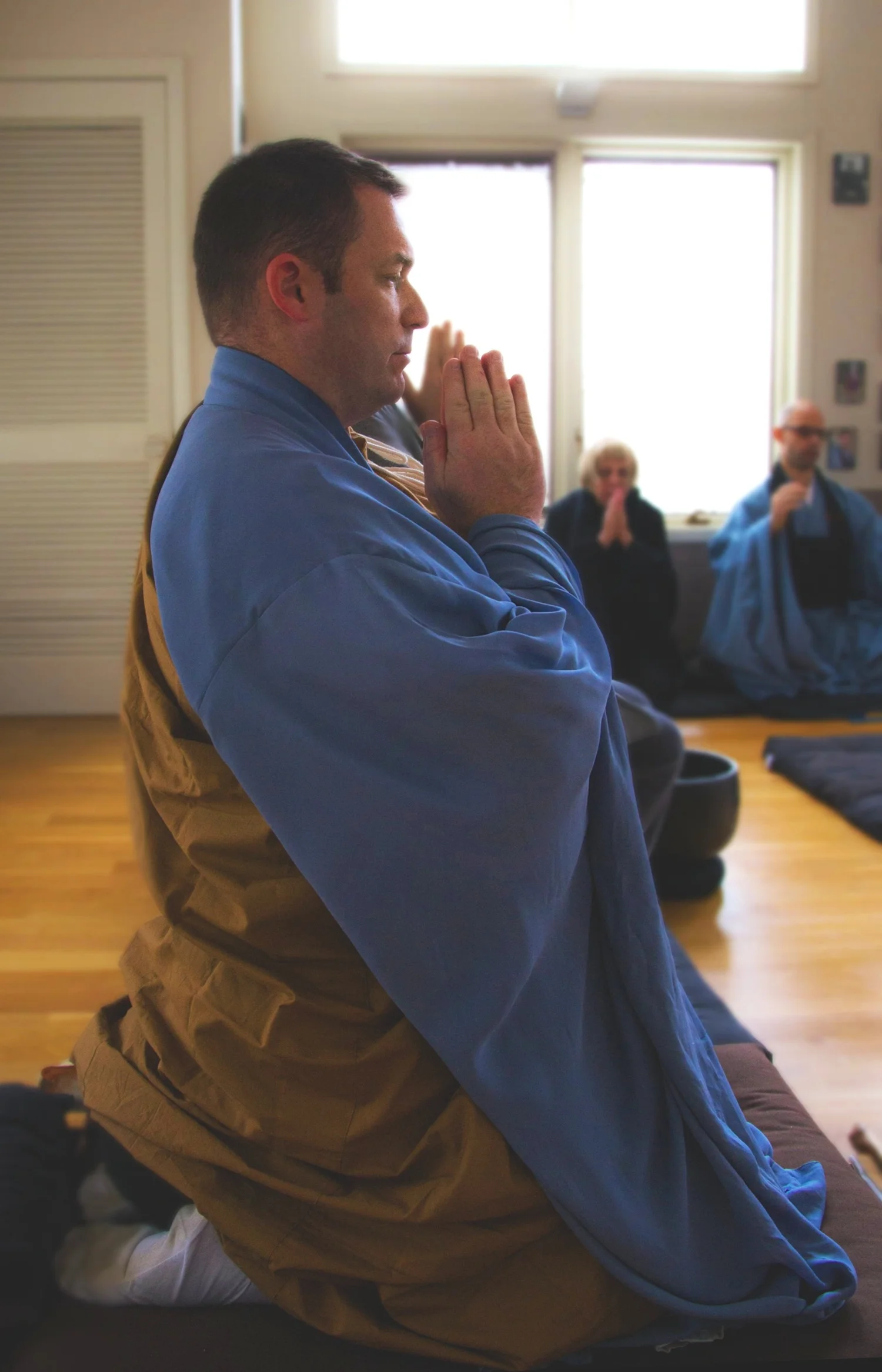
Alexandria Zen Center offers a complete path of practice under the guidance of Greg Tetsuzan Noble Roshi, a Dharma successor in the White Plum lineage.
Personal guidance through dokusan and an ongoing teacher–student relationship.
Koan practice that moves Zen teachings from ideas into direct experience.
A continuing path through retreats, Dharma classes, Jukai, and priest training.
The sangha
We sit individually.
We practice together.
A sangha is more than people sharing a room. It is a community that steadies practice, makes room for honest questions, and helps each person continue when enthusiasm rises and falls.
Ask about the Zen programPractice
Morning and evening zazen
Regular sitting, chanting, Dharma talks, and opportunities for personal guidance throughout the week.
Deepen
Monthly retreats
Half-day and longer periods of sustained practice that help concentration and insight mature.
Understand
Dharma study
Courses and discussions that connect Buddhist teachings to actual practice and everyday life.
Belong
A path that can grow with you
Begin simply. Continue toward koan study, Jukai, or priest training if that becomes your path.
The recommended beginning
Zen Beginners Course
A focused, three-hour introduction gives you enough context and embodied practice to enter ongoing sessions with confidence.
01 Seated and walking meditation
02 Posture and breath instruction
03 Chanting, forms, and etiquette
04 Dharma talk and open Q&A
Questions are welcome
A few things beginners often wonder.
Zen begins with direct experience, but good questions help remove unnecessary barriers to beginning.
Read the complete Zen FAQDo I need to be Buddhist?
No. People come from many religious and nonreligious backgrounds. You may begin with meditation and learn about Zen Buddhism at a pace that is honest for you.
What if I cannot sit cross-legged?
Zazen can be practiced on a cushion, kneeling bench, or chair. The aim is a stable, sustainable posture—not forcing your body into a particular shape.
I already meditate. Must I start as a beginner?
Your experience will serve you. The Beginners Course establishes the forms and shared language used at the center, so everyone can enter ongoing practice with a sound foundation.
Is Zen simply a way to relax?
Relaxation may arise, but Zen is a disciplined practice of attention, insight, compassion, and learning to meet life more directly.
What happens after the course?
You receive two free practice sessions, then may continue through membership with regular sittings, talks, personal guidance, classes, and retreats.
Your first step can be simple
Come see what practice feels like.
Begin with the Zen Beginners Course, or contact us if you are unsure which path fits your experience.
1501 Duke Street, Suite 150 · Alexandria, Virginia 22314